 By
By 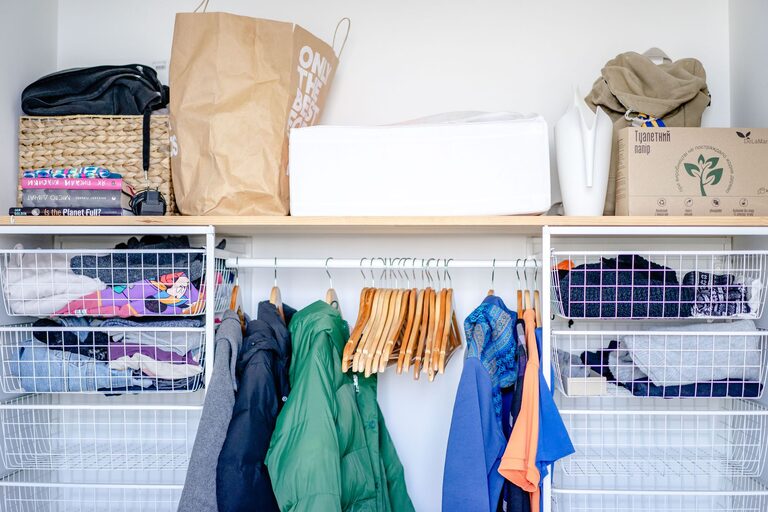
Storing seasonal clothes efficiently can make a big difference in maintaining an organized and clutter-free home. Whether you’re packing away winter coats or summer dresses, having a clear plan for storage ensures your clothes stay in good condition and are easy to access when the season returns. In this post, we’ll explore practical ways to store your seasonal wardrobe efficiently.
Why Store Seasonal Clothes Properly?
When clothes are stored without care, they can become wrinkled, damaged, or attract pests like moths. Proper storage not only protects your garments but also frees up space in your everyday closet for the clothes you currently wear. This makes getting dressed faster and keeps your living space tidy.
Preparing Clothes for Storage
Before storing any clothing items, it’s important to prepare them properly.
Wash and Dry Thoroughly
Always wash or dry clean your clothes before packing them away. Dirt, sweat, and oils can attract insects or cause stains to set. Make sure everything is completely dry to prevent mold and mildew.
Repair and Sort
Check for any damages such as loose buttons, broken zippers, or small tears. Fix these before storage so your clothes are ready to wear when you bring them back out. Sort items by type or season to make retrieval easier.
Declutter
Take this opportunity to declutter your wardrobe. Donate or recycle clothes you no longer wear or need. This reduces the volume of items in storage and keeps your collection manageable.
Choose the Right Storage Containers
Selecting appropriate storage containers can protect your clothes and save space.
Use Clear Plastic Bins
Clear bins help you see what’s inside without opening them. Choose bins with tight-fitting lids to keep out dust and moisture. Avoid cardboard boxes since they absorb moisture and attract pests.
Vacuum-Sealed Bags
These bags compress bulky items like sweaters and coats to save space. They also protect fabrics from moisture and insects. However, avoid vacuum-sealing delicate fabrics that can be crushed or misshapen.
Fabric Storage Bags
Breathable fabric bags are a great option for natural fibers like wool and cotton. They allow air circulation and prevent mold growth. Use these for special items that need gentle care.
Label Everything
No matter which container you use, clearly label it with the contents and season. This makes it easier to find what you need without opening every box.
Ideal Storage Locations
Where you store your seasonal clothes impacts their condition.
Cool, Dry, and Dark Spaces
Avoid places that are prone to temperature fluctuations, humidity, or direct sunlight. Basements and attics might have moisture or pests. Instead, choose a closet, under-bed storage, or a dedicated storage bench in a temperature-controlled area.
Off the Floor
Keep bins elevated on shelves or pallets to avoid contact with any damp floors and reduce pest risk.
Tips for Hanging Seasonal Clothes
Not all clothes are suited for folding and bin storage.
Use Proper Hangers
Invest in sturdy hangers for heavy coats or dresses. Avoid wire hangers that can distort the shape of garments. Padded or wooden hangers work best.
Garment Bags
Place delicate or special occasion clothing inside breathable garment bags to protect from dust while hanging.
Space Out Clothes
Avoid overcrowding as it can cause wrinkles and misshaping. Leave some breathing room between hangers.
Maintain Your Seasonal Wardrobe
Keeping your seasonal clothes in great condition involves ongoing care.
Check Periodically
Every few months, briefly inspect stored items for signs of pests or moisture. This helps you address problems early.
Refresh Fabrics
You can freshen up stored clothes by airing them out occasionally or using natural fabric fresheners like lavender sachets.
Rotate Seasonally
When the season changes, swap out clothes promptly. This keeps your everyday closet manageable and the stored clothes in regular motion, which helps prevent fabric issues.
Conclusion
Efficiently storing seasonal clothes is about preparation, choosing the right containers and location, and maintaining your wardrobe over time. With these tips, you can preserve your clothes in great shape and enjoy a clutter-free closet year-round. Happy organizing!